2026-10-10 ·
How Lake-Effect Snow Damages Roofs in Kenosha
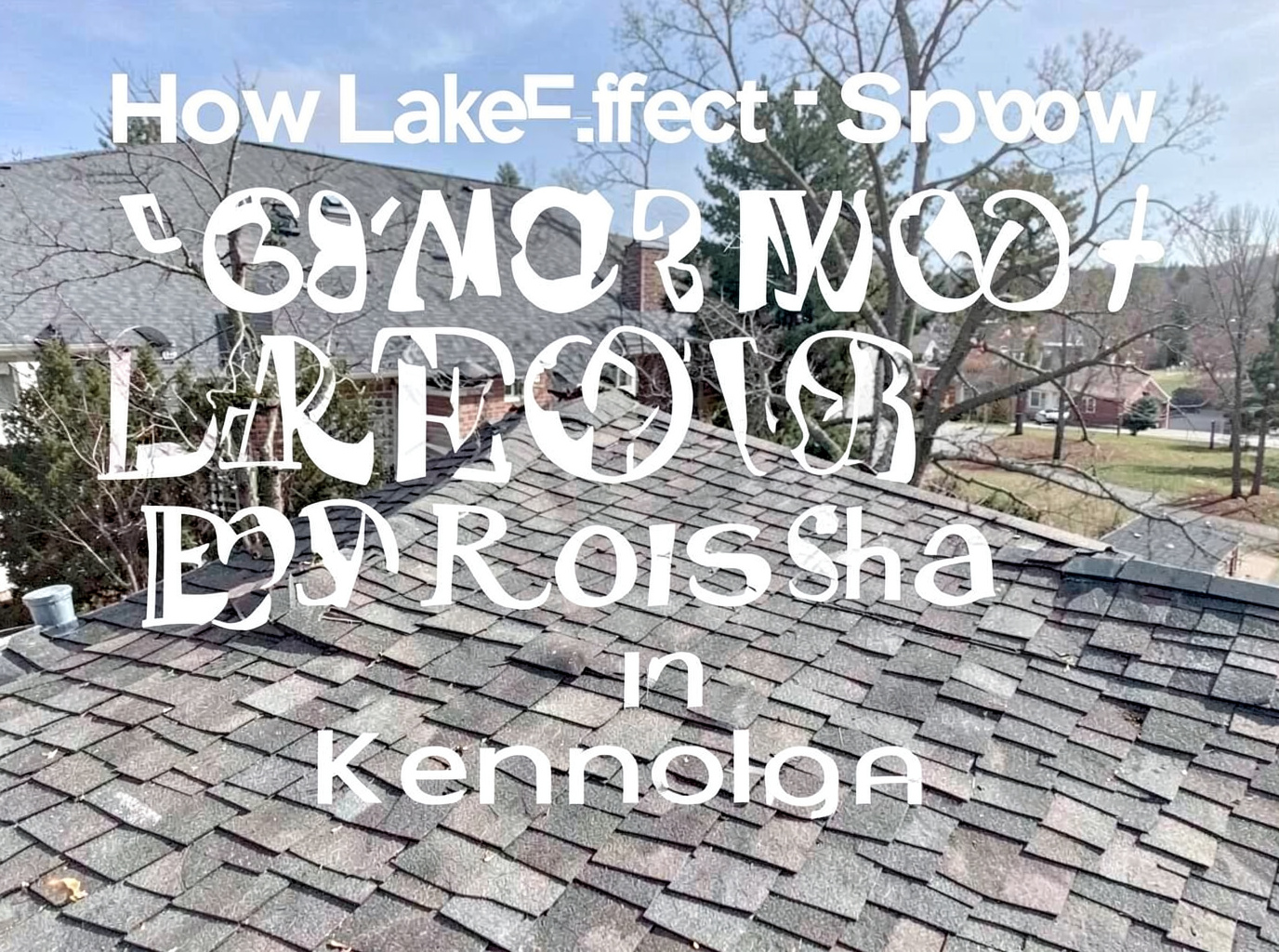
Lake-effect snow from Lake Michigan can add 20–40 pounds per square foot of wet snow load on Kenosha roofs during peak winter events, often causing shingle displacement, rafter sagging, and leaks at valleys or penetrations within days of a storm.
Lake-Effect Snow Formation Near Kenosha Harbor
Kenosha sits directly on the western shore of Lake Michigan, so cold northwest winds pick up moisture and drop it as heavy snow bands that hit neighborhoods like HarborSide and Downtown Kenosha first. These bands can dump 12–24 inches in 24 hours while Racine to the north or Milwaukee to the south receives far less. The snow arrives at 25–35 degrees Fahrenheit, so it packs dense and wet instead of fluffy. Older homes in Uptown and Lincoln Park with 30–50 year old asphalt shingles see the weight settle into low spots around chimneys and skylights. This pattern repeats most winters because the lake stays unfrozen long enough to fuel multiple events.
How Heavy Snow Loads Damage Roof Structures
When wet snow sits for more than 48 hours, it compresses and adds sustained pressure that older rafters in Allendale and Bain Park homes were never engineered to carry. Shingles can slide or crack along eaves, exposing underlayment to meltwater. In Roosevelt and Civic Center Park areas, homes with limited attic ventilation trap heat that melts the bottom layer of snow, allowing water to run under the remaining pack. This creates hidden saturation that rots sheathing before owners notice interior stains. The humid continental climate means a sudden warm spell after a lake-effect dump accelerates the melt and leak cycle.
Ice Dam Formation and Resulting Leaks
Ice dams form when attic heat melts snow at the roof deck while the eaves stay below freezing, a common issue along Bradford Beach and Kenosha Streetcar routes where wind exposure keeps edges colder. Water backs up under shingles and enters at nail holes or flashing gaps. Once an ice dam reaches 6–8 inches high, it can push water 4–6 feet up the roof slope. Homes in Uptown with complex rooflines see the worst problems because valleys trap more snow. Ice dam removal and prevention stops the cycle before water reaches living spaces, while storm damage roof repair addresses the shingle and underlayment damage left behind.
Neighborhood Patterns and Seasonal Timing
HarborSide and Downtown Kenosha roofs face the heaviest lake-effect bands because of direct wind fetch across open water. Allendale and Roosevelt see slightly lighter but still damaging loads because trees and buildings break some wind. The worst damage often appears in late January through February after multiple events stack up without full melt. Checking attics after each major snow and clearing gutters before the first freeze reduces risk. Homeowners in these neighborhoods benefit from reviewing the Kenosha seasonal roof maintenance checklist each fall and consulting the roof leak repair cost guide when interior stains appear.